Training Components
| Training Block | Description |
|---|---|
| Inpatient training | We have two inpatient services; one devoted to oncology/bone marrow transplantation and a second hematology service. First-year fellows have 40 weeks of inpatient training split between two teams, second year fellows have seven weeks and third year fellows have six weeks of inpatient training. |
| Outpatient training | Your training includes new and returning patients with hemoglobinopathies, thromboses, hemophilia, immunodeficiencies, leukemias, solid tumors and brain tumors. On long-term follow up cases, you’ll gain cancer survivor training and experience in several multi-disciplinary clinics. All fellows conduct a weekly half-day outpatient continuity clinic with an assigned attending physician throughout all three years of fellowship. |
| Electives | Your ample elective opportunities include cytogenetics, hematopathology, palliative care, radiation oncology, research, surgical pathology, and transfusion medicine. You can also talk with the fellowship director about elective time in additional fields related to Pediatric Hematology/Oncology. |
| Research | You will work with your Scholarly Oversight Committee during your first year to choose a scholarly project that will become your focus during years two and three. Fellows form a research mentoring team who will help them design and complete a scholarly project to complete requirements for American Board of Pediatrics subspecialty eligibility. Research blocks are protected time. We ask fellows to attend their weekly half-day outpatient clinic and equational conferences -- all other activities should be dedicated to research. |
| Vacation | You’ll enjoy three weeks of vacation each year. |
Clinical Experiences
When you join the Division of Pediatric Hematology-Oncology as a fellow, you will gain clinical experience in a variety of subspecialty areas, including:
- Adolescent and Young Adult Cancer Program
- Bone marrow failure
- Bone marrow transplant (the only pediatric BMT unit in Iowa)
- Cancer predisposition
- Hemoglobinopathy
- Hemophilia
- Neuro-oncology, solid tumor, Leukemia/Lymphoma, tumor boards and meetings
- Thrombosis and hemostasis
- Psycho-Oncology Program
Education
Research mentors and pediatric Hematology-Oncology mentors enhance your training experience and monitor your progress for ways to help you reach your career goals.
| Name (Frequency) | Purpose |
|---|---|
| Department of Pediatrics Core Curriculum Seminar (Weekly) |
|
| Pediatric Hematology-Oncology Conference |
|
| Tumor Board |
|
| Blood Club |
|
| Case Presentations and Morbidity/Mortality Conferences |
|
Research
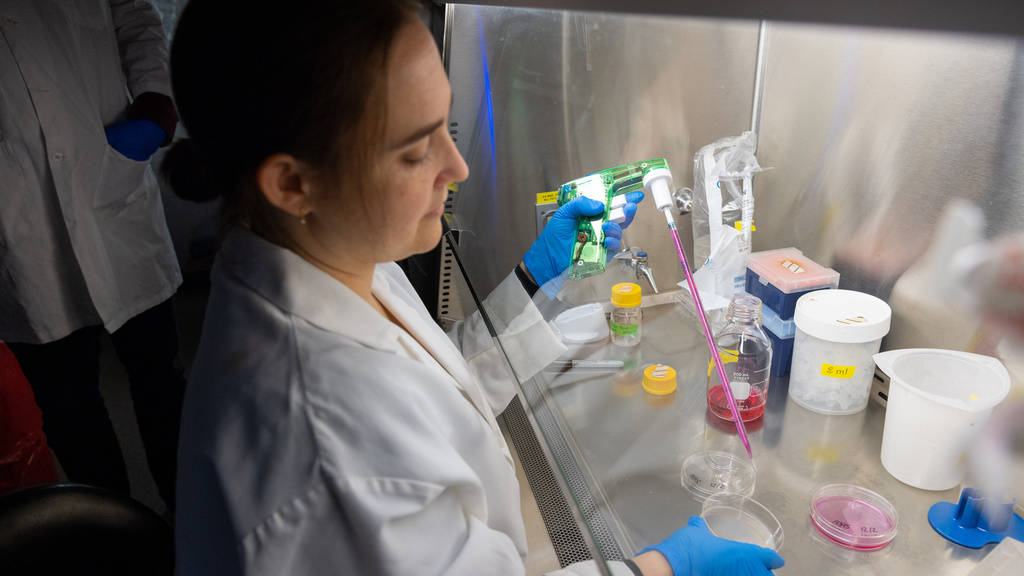
Iowa is a renowned medical research university with outstanding clinical, translational, and basic science research. Iowa’s research strengths include the Institute for Clinical and Translational Science. The College of Public Health is home to the National Cancer Institute’s SEER database. Our department is a member of the Pediatric Oncology Experimental Therapeutics Investigators' Consortium, the Children’s Brain Tumor Network and Big Ten Cancer Research Consortium.
Fellows may choose to pursue networking opportunities such as presenting your research at a hematology-oncology conference. Past fellows have attended educational conferences hosted by the American Society of Pediatric Hematology/Oncology (ASPHO), the American Society of Hematology (ASH) and the ASBMT, now the American Society for Transplantation and Cellular Therapy.
Each year our department hosts Pediatric Research Day featuring a renowned keynote speaker followed by your opportunity to present your research in an oral data blitz and poster form. Winners are chosen.
Research Mentors
During the first few months of fellowship, we’ll encourage you to meet with several clinical and basic science investigators who have ongoing projects that interest you. We can also help pair you with a mentor whose research interests are similar to yours. Our research mentors are experts in disciplines related to hematology-oncology in the Carver College of Medicine.